
Have you ever walked into a room that instantly uplifted your mood? That’s the magic of artistic decoration. It’s not just about filling a space with beautiful objects; it’s about creating an atmosphere that resonates with your personality and style.
Whether you’re an interior design enthusiast, a home decor lover, or someone who enjoys DIY projects, elevating your interior spaces with artistic decoration can be a deeply rewarding experience.
In this blog post, we will explore various ways to transform your home into a stunning masterpiece, offering practical tips and examples to inspire you on your creative journey.
The Power of Color
Choosing the Right Palette
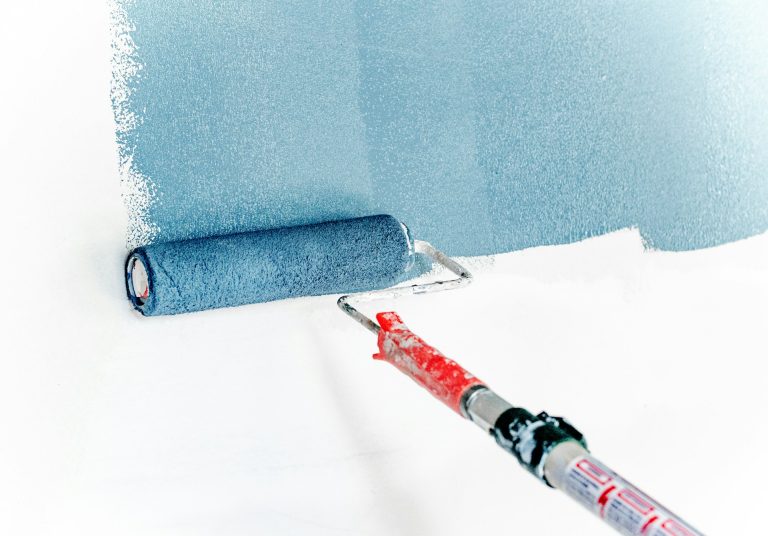
The first step in any artistic decoration project is selecting a color palette that speaks to you. Colors have a profound impact on our emotions and can set the tone for an entire room.
For example, calming blues and greens are perfect for creating a serene bedroom, while vibrant reds and oranges can energize a living room. When choosing your palette, consider the mood you want to evoke and how different colors interact with each other.
Using Accent Colors
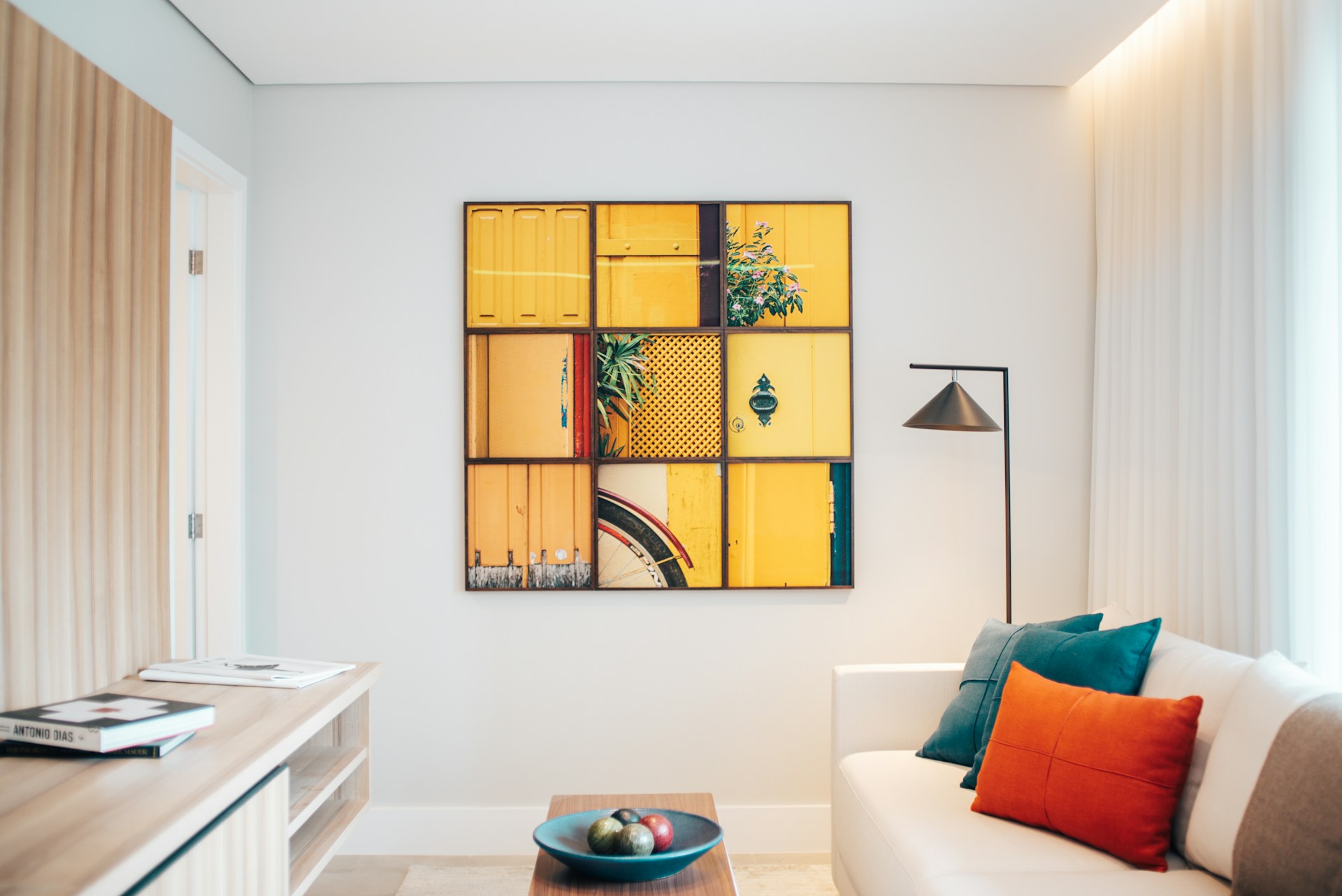
Once you’ve selected your primary colors, it’s time to think about accent colors. These are the shades that will add depth and interest to your space. Accent colors can be incorporated through accessories like cushions, rugs, and artwork. They can also be used to highlight architectural features like alcoves or window frames. The key is to use them sparingly to create focal points without overwhelming the room.
Experimenting with Shades
Don’t be afraid to experiment with different shades of your chosen colors. A monochromatic scheme, where you use various shades of the same color, can create a sophisticated and cohesive look. Alternatively, you can use contrasting shades to add drama and interest. For instance, pairing a deep navy with a soft pastel can create a stunning visual impact.
The Role of Texture
Incorporating Natural Materials
Texture adds a tactile dimension to your decor, making a space feel more inviting and lived-in. Natural materials like wood, stone, and metal bring an earthy, grounding quality to a room. Consider incorporating these materials through furniture, flooring, or even decorative objects. A wooden coffee table, a stone fireplace, or metal light fixtures can all add a touch of natural elegance to your space.
Layering Textures
Layering different textures can create a rich, multi-dimensional look. Think about combining soft fabrics like velvet or linen with harder surfaces like glass or metal. For example, a plush velvet sofa paired with a sleek glass coffee table can create an interesting contrast. Layering also extends to smaller accessories like cushions, throws, and rugs. Mixing different textures in these items can add depth and interest to your decor.
Using Corrugated Plastic Creatively
For those who love DIY projects, corrugated plastic is a versatile material that can be used in numerous ways. It’s durable, easy to work with, and comes in a variety of colors and finishes. You can create custom wall art, use it as a room divider, or even make decorative boxes. The possibilities are endless, and it’s a great way to add a unique, personal touch to your home.
Art and Decor
Selecting the Right Art Pieces
Art is one of the most powerful elements in artistic decoration. It reflects your personal taste and can completely transform a room. When selecting art pieces, consider the scale and proportion relative to your space. A large statement piece can serve as the focal point of a room, while smaller pieces can be grouped to create a gallery wall. Don’t be afraid to mix different styles and mediums; this can add a dynamic element to your decor.
Displaying Art Creatively
How you display your art can be just as important as the pieces themselves. Think beyond traditional frames and consider alternative ways to showcase your art. Floating shelves, clipboards, and even washi tape can be used to create unique displays. Positioning is also key; art should be hung at eye level for the best visual impact. For a more casual look, you can lean pieces against the wall or layer them on mantels and shelves.
Incorporating DIY Art
Creating your own art can be a fun and fulfilling way to personalize your space. Whether it’s painting, sculpting, or crafting, DIY art adds a unique touch that store-bought items can’t replicate. Plus, it allows you to experiment with different techniques and materials. For example, you can use leftover corrugated plastic to create abstract wall art or decorative planters. The sky’s the limit when it comes to DIY creativity.
Lighting Matters
The Importance of Natural Light
Natural light can make a huge difference in how a room feels. It not only illuminates the space but also enhances the colors and textures of your decor. To maximize natural light, use sheer curtains or blinds that can be easily adjusted. Mirrors can also help reflect light and make a room feel brighter and more spacious.
Layering Artificial Light
Artificial lighting is just as important as natural light in creating a well-balanced interior. Aim to layer different types of lighting to create a versatile and functional space. Ambient lighting provides general illumination, while task lighting focuses on specific areas like reading nooks or kitchen counters. Accent lighting can highlight architectural features or art pieces, adding an extra layer of interest.
Choosing Stylish Light Fixtures
Light fixtures are not just functional; they can also be a statement piece in your decor. Whether it’s a chandelier, a pendant light, or a floor lamp, the right fixture can add style and personality to a room. Consider the scale and style of the fixture relative to your space. A large, ornate chandelier might look stunning in a grand living room, while a sleek, modern pendant light might be perfect for a minimalist kitchen.
Conclusion
Artistic decoration is all about expressing your unique style and creating a space that feels like home. By carefully selecting colors, textures, art, and lighting, you can transform any room into a stunning masterpiece.
Remember, the key is to have fun and experiment with different elements until you find what works for you. If you’re looking for more inspiration or need a helping hand, consider booking a consultation with one of our expert stylists. Happy decorating!