
Whether you live in a warm or cold climate, proper insulation is essential for maintaining comfort and saving money on energy bills.
Insulation works by trapping air pockets, slowing down the transfer of heat between the inside and outside of your home. This results in a more consistent temperature and less reliance on heating and cooling systems.
In this guide, we will discuss the importance of proper insulation and how it can save you money year-round.
The Importance of Proper Insulation
Insufficient or outdated insulation can lead to a significant amount of energy loss in your home. This means that your heating and cooling systems have to work harder and longer to maintain a comfortable temperature. As a result, you end up paying higher energy bills.
Additionally, poor insulation can also lead to uncomfortable drafts, uneven temperatures, and moisture problems such as condensation on windows. These issues not only affect your comfort but can also cause damage to your home’s structure over time.
How Insulation Can Save You Money
Proper insulation can save you money in several ways:
Reduced Energy Costs
By properly insulating your home, you can reduce the amount of energy needed to heat and cool it. This means that your HVAC systems don’t have to work as hard, resulting in lower energy bills.
Long-Term Savings
Investing in proper insulation may require an initial upfront cost, but it pays off in the long run. The money saved on energy bills over time will outweigh the initial expense.
Tax Credits and Incentives
Many governments offer tax credits or other incentives for homeowners who improve their home’s energy efficiency through insulation upgrades. This can help offset the cost of insulation installation.
When to Consider Insulation Upgrades
If you’re experiencing any of the following issues, it may be time to consider upgrading your insulation:
- Uneven temperatures in different areas of your home
- Drafts or cold spots near windows and doors
- High energy bills despite consistent thermostat settings
- Visible damage or deterioration of existing insulation
You can also consult with a professional to assess your current insulation and determine if upgrades are needed.
Types of Insulation
There are various types of insulation available, each suitable for different areas and purposes in your home. These include:
Fiberglass Insulation
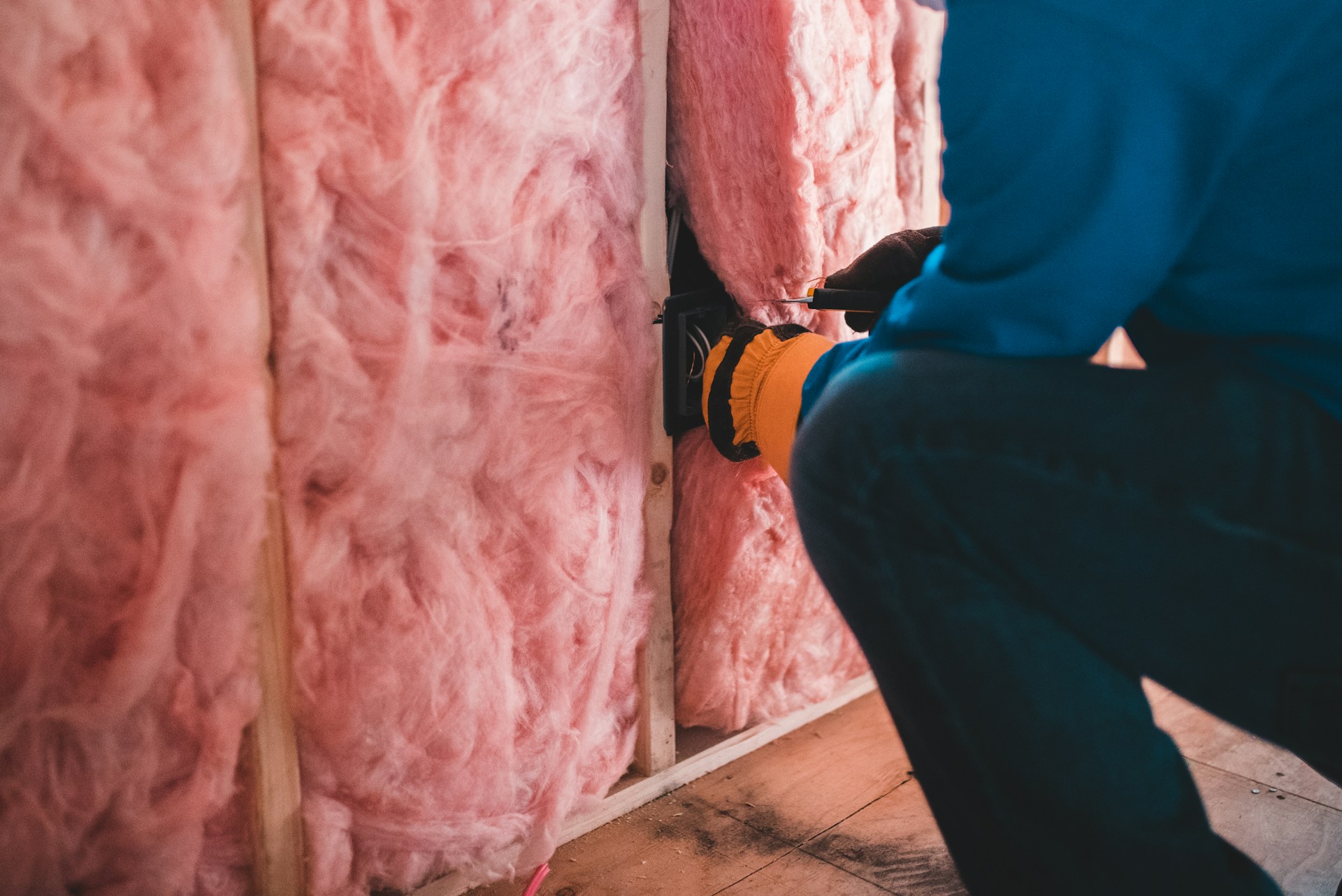
Made from spun glass fibers, fiberglass insulation is a cost-effective option for insulating walls, attics, and crawl spaces. It comes in both batts (sheets) and loose-fill forms.
Cellulose Insulation
Similar to fiberglass insulation, cellulose is made from recycled paper products and can be used in walls, attics, and crawl spaces. It has a higher R-value (measure of insulation’s effectiveness) than fiberglass.
Spray Foam Insulation
This type of insulation expands when applied and adheres to surfaces, creating an airtight seal. It is ideal for insulating small cracks and crevices in walls, attics, and crawl spaces.
Reflective Insulation
Reflective insulation is made from metallic foil and works by reflecting heat away from your home. It is best used in hot climates to prevent heat gain.
Commercial and Industrial Insulation
Insulation is not just essential for residential buildings; it is also crucial for commercial and industrial buildings. For instance, industrial insulation in Nevada can help businesses save money on energy costs and improve employee comfort. Proper insulation in commercial buildings also contributes to a healthier working environment by reducing noise pollution.
It is even more crucial for commercial and industrial buildings to have proper insulation, as they tend to be larger and require more energy to heat and cool. Insulation can help reduce this energy consumption, leading to significant cost savings.
Conclusion
In conclusion, proper insulation is vital for maintaining comfort and saving money on energy costs year-round. Whether in a residential or commercial setting, investing in high-quality insulation can lead to long-term savings and a more comfortable living or working environment. So if you haven’t already, consider upgrading your home or building’s insulation for both financial and practical benefits. So, make sure your home or building is properly insulated and enjoy the benefits year-round.