Physical Address
304 North Cardinal St.
Dorchester Center, MA 02124
Physical Address
304 North Cardinal St.
Dorchester Center, MA 02124

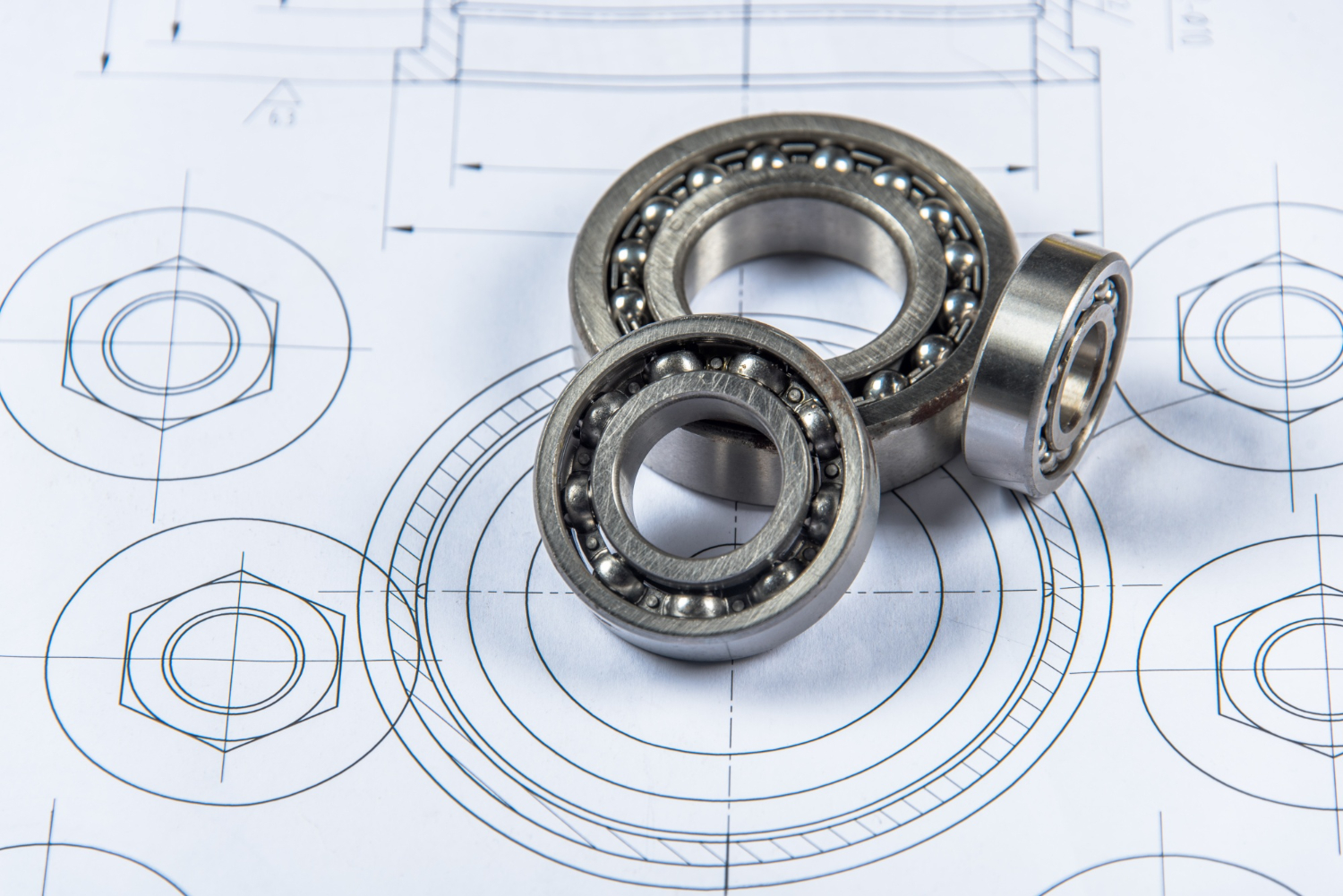
They are essential components that reduce friction between moving surfaces, enabling more efficient motion with less wear. Choosing the correct bearings is fundamental for optimized equipment performance, as each application may require different specifications such as size, material, and load capacity.
Furthermore, proper installation and maintenance are vital to significantly extend the service life of the equipment in which they are used. Regular maintenance, including lubrication and damage inspections, can prevent premature failures and costly repairs. Therefore, investing time in the correct selection and maintenance of ball bearings is a strategic step toward ensuring machinery longevity and efficiency.
Ball bearings are essential components that reduce friction between moving surfaces, enabling more efficient motion with less wear. Choosing the correct bearings is fundamental for optimized equipment performance, as each application may require different specifications such as size, material, and load capacity. Furthermore, proper installation and maintenance are vital to significantly extend the service life of the equipment in which they are used.
Regular maintenance, including lubrication and damage inspections, can prevent premature failures and costly repairs. Therefore, investing time in the correct selection and maintenance of ball bearings is a strategic step toward ensuring machinery longevity and efficiency.
Ball bearings are fundamental mechanical components designed to reduce friction between moving parts, promoting smoother and more efficient motion. They consist of balls that roll between an inner and an outer race, supporting radial loads and, in some cases, axial loads. This unique configuration allows ball bearings to minimize resistance and facilitate smooth rotation, extending equipment life and reducing wear on contact surfaces.
Ball bearings are essentially a type of load-support device that uses balls as rolling elements. They are designed to support and guide the load applied to the shaft, distributing it evenly across the balls. The geometry of the balls offers several benefits, such as significant friction reduction and lower resistance to movement, ensuring stable and precise rotation. Their application is broad and diverse—from industrial machinery to everyday household appliances—thanks to their versatility and efficiency.
The history of ball bearings dates back to ancient times, with records of similar mechanisms already used during the Roman Empire. However, it was during the Industrial Revolution, between the 18th and 19th centuries, that they gained popularity and saw major improvements in design and application. The invention of more resistant and durable materials, as well as advancements in precision manufacturing, enabled these components to evolve substantially.
With the arrival of the 20th century, the use of ball bearings expanded exponentially. Companies invested heavily in research and development, resulting in more compact and efficient designs suited for specialized applications. The introduction of advanced metal alloys and high-performance polymers also contributed to increased durability and efficiency, making ball bearings indispensable in a wide range of sectors.
Understanding the importance of ball bearings throughout engineering history is essential to appreciating the technological advances that have transformed everyday life, while keeping the focus on continuous innovation to meet future industrial and commercial challenges.
Ball bearings are designed to minimize friction between moving parts, resulting in smoother operation and less resistance during motion. This not only enhances equipment performance but also contributes significantly to improved energy efficiency. With less energy lost as heat and friction, systems equipped with these bearings operate more sustainably, reducing electricity consumption and lowering long-term operating costs.
Reduced friction directly contributes to decreased wear on equipment parts. With less metal-to-metal contact, components experience less stress and maintain their structural integrity for longer. This translates into extended equipment lifespan, reducing the need for frequent replacements and extensive maintenance—an essential advantage in industries where reliability and minimal downtime are critical.
One of the defining features of ball bearings is their quiet operation. In environments where low noise levels are essential—such as hospitals, libraries, and indoor workplaces—these bearings are highly beneficial. They are engineered to operate with minimal sound, improving the work environment and reducing noise pollution. This quiet operation also contributes to safety, comfort, and productivity.
Ball bearings are widely used in various household appliances, such as fans and power tools, ensuring smooth operation. In fans, they allow blades to rotate quietly and efficiently, reducing friction between moving parts. In power tools, they help ensure uninterrupted performance and minimize wear on moving components, improving overall durability.
In the automotive sector, ball bearings play a vital role in improving engine and transmission performance. They minimize friction between engine components, enhancing energy efficiency and vehicle responsiveness. In transmissions, they help smooth gear shifts, providing a more comfortable and reliable driving experience.
In the industrial equipment field, ball bearings are indispensable for high-speed and high-precision operations. In large machinery used in factories and production facilities, bearings support heavy loads while maintaining operational accuracy, even under demanding conditions. Regular maintenance—such as lubrication and systematic inspections—is crucial to preventing wear that can compromise performance and cause costly downtime.
In summary, ball bearings are key components that ensure not only functionality but also equipment longevity across everything from household devices to complex industrial systems.
Ball bearings are vital for smooth and quiet motion in a wide variety of devices and machinery. Choosing the right bearing is crucial not only for optimized performance but also for ensuring the equipment’s long-term durability. Selecting the correct bearing involves several considerations:
It is essential to choose bearings with the appropriate size and load capacity for the specific application. Bearings with insufficient load capacity can fail quickly under excessive stress, causing downtime and costly repairs. Therefore, the selected bearing must support the expected maximum load and fit properly within the available mounting space.
Another critical factor is understanding the operating conditions under which the bearing will function. This includes rotational speed and operating temperature. Bearings designed for high speeds often feature specific geometries and advanced lubrication. Likewise, extreme temperature variations can negatively affect performance, making it crucial to select a bearing capable of withstanding temperature fluctuations without compromising structural integrity.
Material selection is equally important, especially in challenging environments. In high-humidity conditions, corrosion-resistant materials such as stainless steel or ceramics are essential. Applications involving exposure to harsh chemicals also require materials that prevent premature degradation and ensure long-term reliability.
By considering these factors, the appropriate choice of ball bearing will maximize efficiency, extend equipment life, and minimize operational failures.
Proper lubrication is essential to maintaining optimal performance. A well-planned lubrication routine minimizes friction and prevents excessive wear, extending bearing life. The type of lubricant and the frequency of application must match the bearing specifications and operating conditions, such as temperature and load.
Regular inspections are crucial for preventing unexpected and costly failures. Inspections should check for signs of wear, corrosion, or anomalies indicating the need for replacement. Common symptoms of failure include unusual noises and excessive heating. Preventive replacement helps avoid major equipment damage and ensures consistent efficiency.
Before installation, bearings must be stored correctly to avoid damage. This includes keeping them sealed in dry, dust-free locations and avoiding exposure to adverse environmental conditions that could compromise their integrity.
Ball bearings are essential for the efficient operation of modern machines and devices, ensuring smooth and quiet motion. They are used in a wide range of applications—industrial equipment, automotive systems, and household devices—due to their ability to reduce friction between moving parts.
Selecting the correct bearing is crucial to achieving maximum performance. It requires careful consideration of factors such as load, speed, temperature, and operating environment. Proper installation is equally important, as incorrect mounting can cause misalignment, increased friction, and premature wear.
Regular maintenance—including inspections and lubrication—is indispensable to keeping bearings in good condition over time.
In conclusion, ball bearings play a crucial role in ensuring smooth and silent operation in numerous devices and machinery. Proper selection, installation, and maintenance can significantly extend equipment life, ensuring daily efficiency and reliability.