
Maximizing Your Music Learning: The Hybrid Lesson Approach
In today’s rapidly evolving world, music education has moved beyond the confines of traditional in-person lessons. With the rise of digital technology, students now have access to a diverse range of instructors and flexible options through online music lessons in NY, thanks to platforms like MuseCool. These online formats offer unprecedented convenience, allowing students to schedule lessons around their lives and access teachers globally, regardless of location.
However, the value of in-person lessons remains irreplaceable for those requiring hands-on guidance and immediate feedback. Face-to-face sessions enable teachers to fine-tune students’ posture, technique, and expression in real time, ensuring proper form and musicality that is harder to replicate online.
By combining these two formats—online and in-person—students can enjoy a hybrid approach that maximizes both flexibility and effectiveness. Online lessons can focus on music theory, sight-reading, or basic practice, while in-person sessions can be used for intricate skills, performance preparation, and direct corrections. This balance allows learners to tailor their experience to fit their personal needs and schedule, making the hybrid method an ideal solution for busy students seeking a high-quality music education.
The Flexibility of Online Lessons
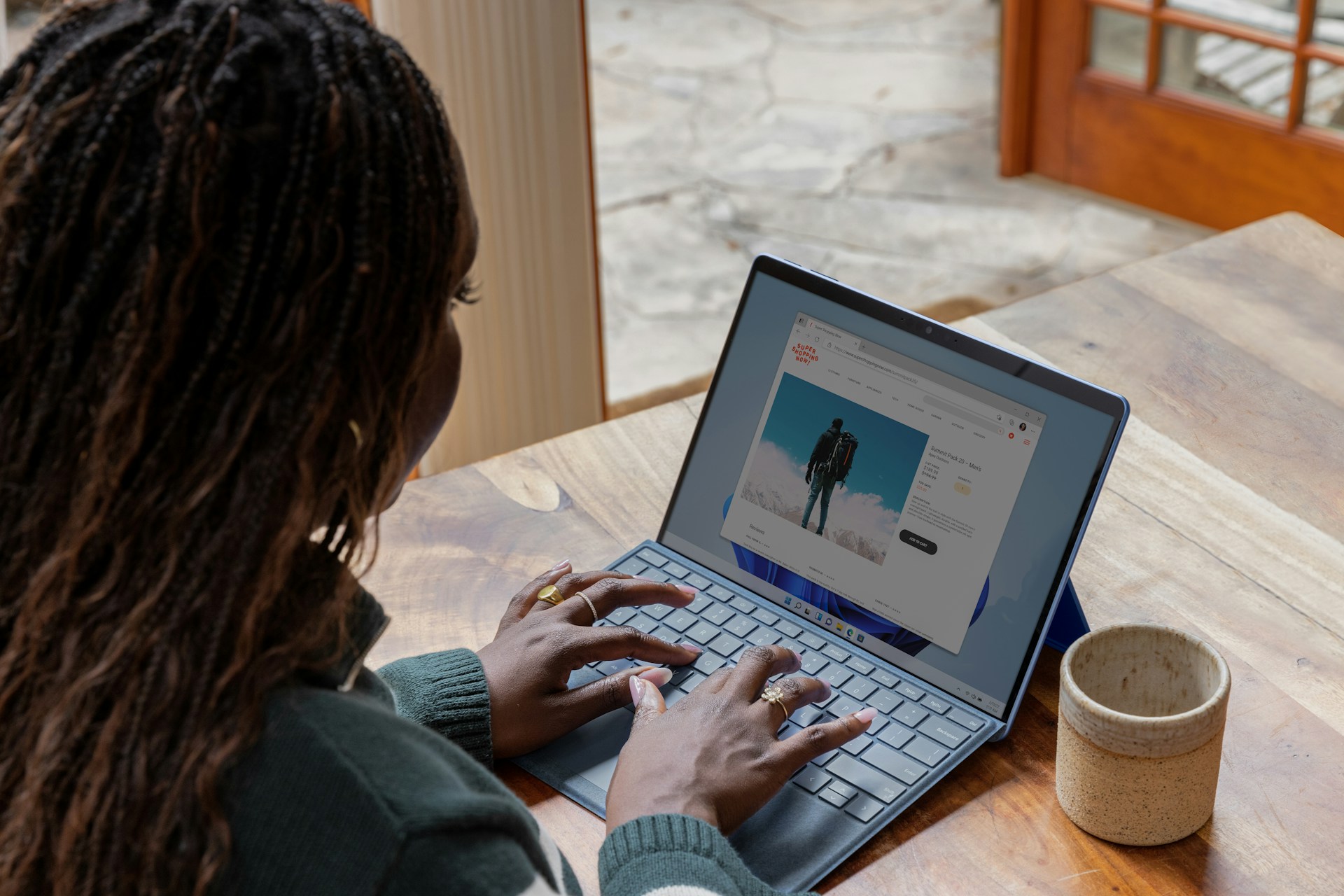
One of the standout advantages of online music lessons is their unmatched convenience. Students can schedule lessons around their routines, eliminating the need for commutes or location constraints. This flexibility is especially valuable for those balancing school, work, or extracurricular activities.
Moreover, online platforms connect learners with a diverse pool of expert instructors from around the world, breaking geographical barriers. Key benefits of online lessons include:
- Customizable Scheduling: Students can arrange lessons at times that fit their lifestyle.
- Global Access to Instructors: Gain access to specialized teachers worldwide.
- Recorded Sessions: The ability to record lessons for later review enhances learning retention and provides an opportunity to revisit complex material.
Online lessons also provide more affordable and accessible options for music education, particularly for those in remote areas or with limited access to quality instructors. Despite these conveniences, it’s essential to remain self-disciplined, as the lack of physical presence may pose challenges for younger or less motivated students. Nonetheless, for many learners, this flexibility is a game-changer that enables consistent progress.
The Value of In-Person Lessons
In-person music lessons offer unique advantages, particularly in providing real-time, hands-on feedback. Teachers can immediately correct posture, finger positioning, and technique, which is critical for mastering an instrument. This personalized interaction fosters a deeper connection between teacher and student, creating a supportive learning environment that enhances accountability and motivation.
In-person lessons also offer opportunities for group activities such as ensemble practice and live recitals. These experiences help students develop performance skills, build confidence, and enjoy the communal aspect of music, which is harder to replicate in online settings.
Moreover, face-to-face sessions allow for a more nuanced, direct demonstration of musical expression, tone, and phrasing. Teachers can better observe and assess subtle elements of a student’s playing, adjusting lessons to suit their individual strengths and challenges. This level of real-time interaction helps students progress more effectively, particularly when working on advanced techniques or complex pieces.
Choosing the Right Lesson Format for You
Selecting the ideal music lesson format—whether online, in-person, or hybrid—depends on several key factors that can shape the effectiveness of your learning experience.
- Age and Skill Level: Younger students or beginners often benefit from the structure and hands-on support of in-person lessons, where teachers can guide posture and technique in real time. On the other hand, intermediate or advanced students may appreciate the flexibility of online lessons, as they typically have stronger self-discipline and can follow instructions more independently.
- Learning Style: Every student learns differently, and understanding your or your child’s learning preferences can help in deciding the best format. For visual learners, online lessons may work well since they can replay recorded sessions and benefit from digital resources like instructional videos and music apps. Kinesthetic learners, who learn best through physical engagement, may prefer in-person lessons where the teacher can demonstrate techniques directly and offer tactile feedback.
- Personal Goals: The nature of a student’s goals can also influence the choice of lesson format. Students preparing for performances, competitions, or exams may benefit from a hybrid model that combines the theoretical convenience of online lessons with the performance-focused aspects of in-person sessions. For those simply aiming to learn an instrument at their own pace, online lessons provide the flexibility to practice whenever they want while still receiving expert guidance.
- Time and Convenience: If your schedule is packed with school, work, or other activities, the flexibility of online lessons may be your best option. Online sessions can easily fit into a busy day, eliminating commute time and allowing for shorter but more frequent lessons. However, if you prefer the discipline and structure that comes with attending in-person sessions, scheduling regular in-person lessons may help you stay committed.
- Budget Considerations: Online lessons tend to be more cost-effective due to the lack of travel and studio expenses, while in-person lessons may carry higher fees but provide more immediate feedback and hands-on guidance. A hybrid approach could offer a balanced solution, allowing students to enjoy in-person guidance for technical skills while saving money by handling theory or simpler tasks online.
Ultimately, the right format is one that complements the student’s learning style, schedule, and goals. For many, a hybrid model offers the most comprehensive approach, ensuring flexibility and hands-on support for a well-rounded music education.
The Hybrid Approach: Best of Both Worlds
The hybrid model of combining online and in-person music lessons offers a flexible, tailored experience that maximizes learning. This approach allows students to enjoy the convenience of online sessions, which can focus on theory, sight-reading, and performance reviews, while benefiting from in-person lessons that provide immediate technical corrections, hands-on guidance, and real-time feedback on posture and technique.
Personalized Learning Experience: Hybrid lessons allow teachers to customize the format based on each student’s needs. For example, students might use online sessions to cover theoretical concepts or practice assignments, while saving in-person lessons for more complex tasks like refining technique or preparing for recitals. This way, the student gets the best of both worlds: the flexibility to learn at their own pace online and the face-to-face engagement needed for hands-on practice.
Efficient Time Management: With hybrid lessons, students can better manage their time, reducing travel and allowing more focus on key areas. For instance, a typical week might include one online session for homework and a scheduled in-person class for technical development. This alternation not only provides more flexibility for both students and teachers but also helps reinforce the lessons learned in both environments.
Practical Examples of Hybrid Learning:
- Alternating Sessions: Students can attend in-person lessons for performance-related tasks and then reinforce what they’ve learned during online practice sessions. This way, they avoid the pitfalls of missing essential techniques while enjoying the flexibility of online learning.
- Flipped Classroom Model: A flipped classroom allows students to watch instructional videos and complete assignments online. Then, they can use in-person lessons to clarify doubts and receive personalized feedback on their progress.
Maximizing Progress: This hybrid system ensures that learners do not have to compromise between convenience and quality instruction. By leveraging the strengths of both formats, students can achieve a more balanced and efficient path to mastering their instrument, maximizing their progress with personalized guidance and flexible scheduling.
Conclusion
The hybrid approach of combining online and in-person music lessons offers students the best of both worlds, allowing them to benefit from flexible scheduling while receiving essential hands-on guidance. With access to a global network of expert teachers online and real-time feedback during in-person sessions, students can enjoy a comprehensive, personalized learning experience tailored to their individual needs. This method supports faster progression and deeper understanding of musical techniques.
Discover how MuseCool can enhance your music journey through this unique blend of lessons, helping you achieve your goals at your own pace.